
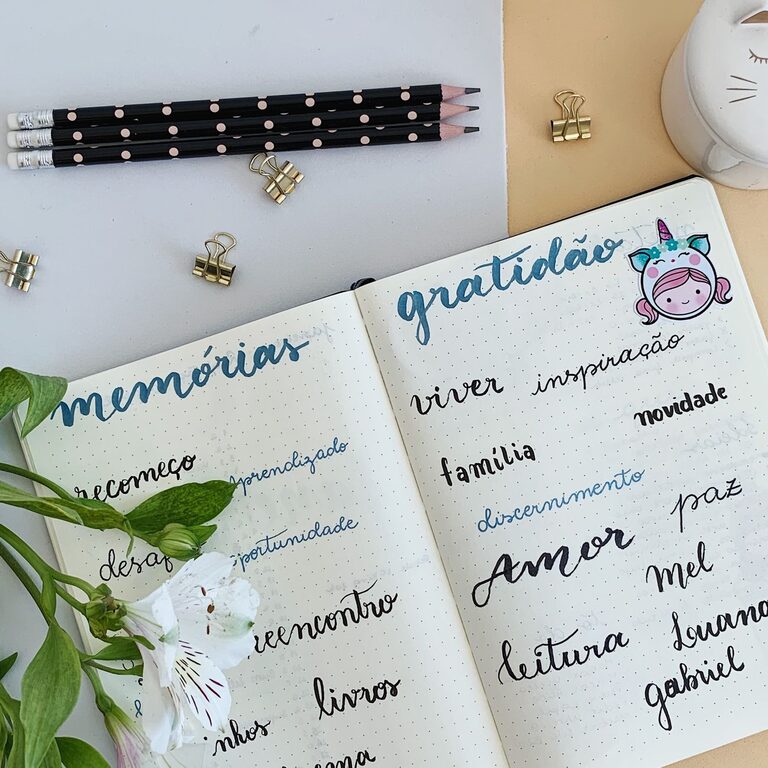
Gratitude journals have become a popular way to bring more positivity and mindfulness into daily life. By regularly writing down things you’re grateful for, you can shift your focus from stress or negativity to appreciation and joy. If you’re new to gratitude journaling, this guide will walk you through simple, practical steps to start your own journal, develop a helpful routine, and make the practice a meaningful part of your life.
What Is a Gratitude Journal?
A gratitude journal is a personal notebook or digital document where you record things, big or small, that you feel thankful for. The goal isn’t to list achievements or material possessions but to notice everyday moments, people, or experiences that bring warmth, happiness, or peace.
Benefits of Keeping a Gratitude Journal
Before you begin, it helps to understand why gratitude journaling can be so beneficial:
– Improves Mood: Focusing on positive moments can boost your overall mood and decrease feelings of stress or anxiety.
– Enhances Mindfulness: Writing about gratitude increases your awareness of the present moment.
– Strengthens Relationships: Recognizing people who support you fosters greater connection and kindness.
– Promotes Better Sleep: Positive reflections before bed can help you relax and improve sleep quality.
– Encourages Optimism: Regular practice can help you develop a more hopeful outlook on life.
How to Start Your Gratitude Journal
1. Choose Your Journal Format
Decide whether you prefer a physical notebook or a digital app. Some people enjoy the tactile experience of handwriting, while others like the convenience and flexibility of typing on a phone or computer.
– Physical journal: Pick a notebook you find inspiring or easy to carry.
– Digital journal: Use apps like Evernote, Day One, or simple notes apps.
2. Set a Consistent Time
Consistency helps build a habit. Pick a time you can commit to daily or several times a week.
– Many find journaling either in the morning or before bed works best.
– Set a reminder on your phone or calendar.
3. Start Small
You don’t need to write long entries. Even listing three things you’re grateful for each day can be effective.
4. Be Specific and Personal
Instead of writing “I’m grateful for my family,” try something more detailed like “I’m grateful for my sister’s call today that made me laugh.”
5. Include Different Types of Gratitude
Mix your entries with various kinds of gratitude:
– People in your life
– Moments of kindness
– Nature or environment
– Personal achievements or qualities
– Simple pleasures like a warm cup of tea
6. Use Prompts When Needed
If you’re unsure what to write, prompts can help:
– What made me smile today?
– What is something I often take for granted?
– Who helped me recently, and how?
– What is a challenge I’m grateful for because it taught me something?
Tips to Keep Your Gratitude Journal Going
– Don’t stress about perfection: Missing a day is okay; just keep going.
– Mix writing styles: Use lists, paragraphs, or even doodles.
– Review your journal occasionally: Look back at entries to remind yourself of positive experiences.
– Share your gratitude: Occasionally tell people you appreciate them – it can deepen the practice.
What to Avoid
– Don’t compare your gratitude list to others.
– Avoid forcing gratitude if you don’t feel it; be genuine.
– Don’t turn journaling into a chore.
Conclusion
Starting a gratitude journal is a simple yet effective way to focus on the positive aspects of life. With just a few minutes each day, you can build a daily habit that fosters happiness, mindfulness, and emotional well-being. Pick your journal, set a time, and begin exploring the many things you have to be grateful for today. Your future self will thank you!